Choreographed Agentic AI Operating Systems that Remove Operational Drag and Create New Growth Opportunities
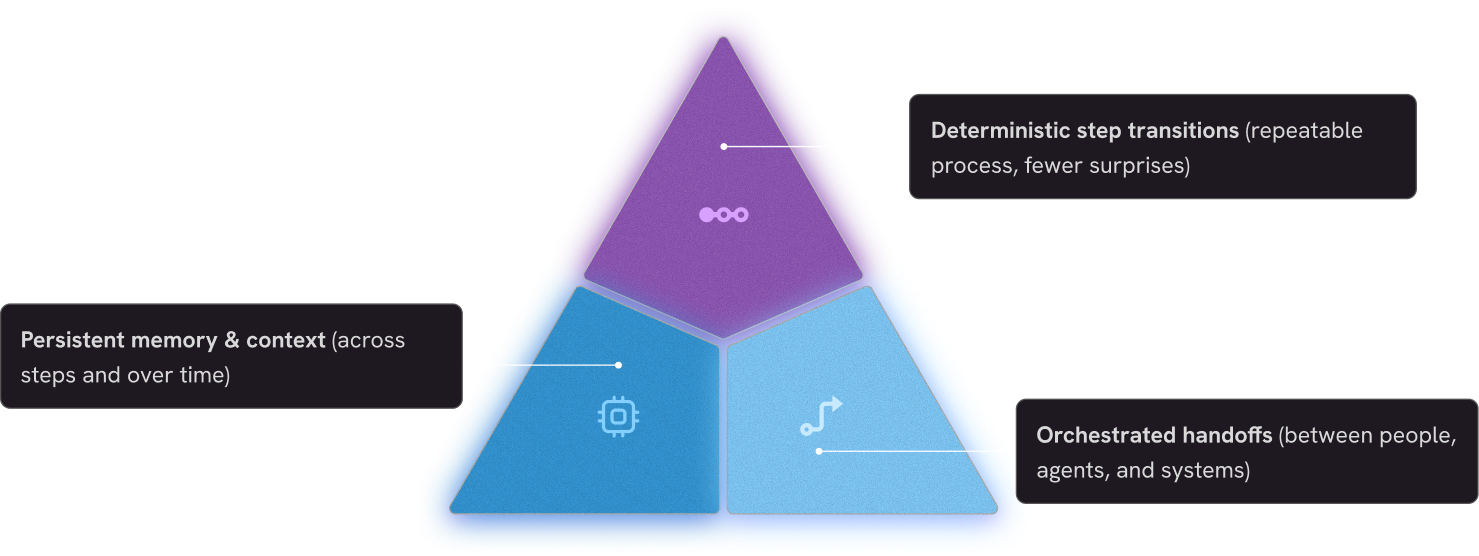
Chatbots generate answers. Agentic operating systems coordinate deterministic step transitions, persistent context, and reliable handoffs across people, agents, and apps so work moves faster, with human checkpoints where it matters.
Built for established consultants and funded or revenue-generating tech companies.
Chat mode breaks in real workflows
The opportunity isn’t “more AI tools.” It’s choreography: a system that reliably moves work from goal to result.
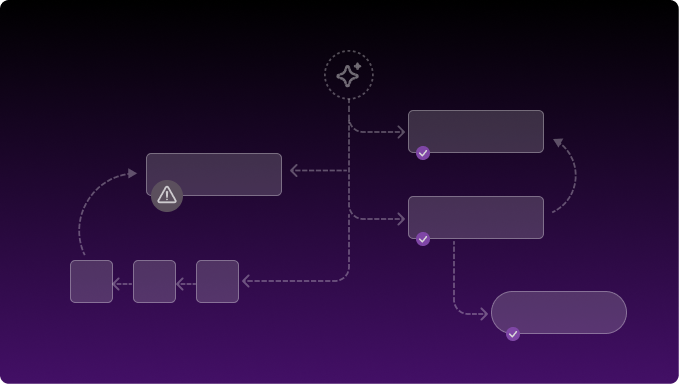
Demo ≠ deployment
(fragile in multi-step work)
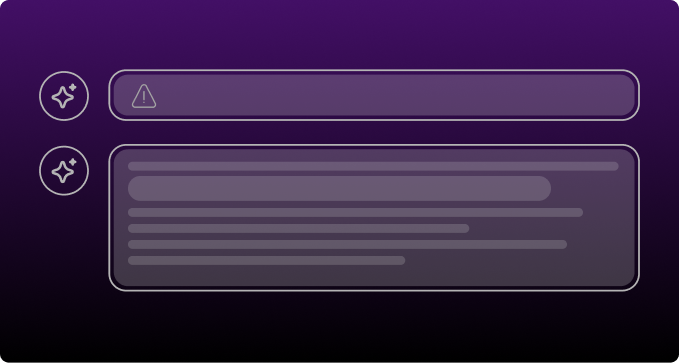
Unstructured outputs
(hard to trust, hard to reuse)
Manual glue work
(copy/paste, chasing inputs, reformatting)
No durable handoffs
(inconsistent outcomes, rework)
The opportunity isn’t “more AI tools.” It’s choreography: a system that reliably moves work from goal to result.
The future of AI is choreography, not conversation
An Agentic Operating System is a set of workflows that turns a goal into a plan, coordinates actions across tools and people, and produces a business result, repeatably.
Start where the constraint is real
Some organizations are constrained by capacity. Others are constrained by opportunity flow because the signals are scattered and the research is intractable by humans. Agentic workflows solve both.
Unlock Capacity (Ops-first)
When: You’re overloaded, work is stuck in handoffs, or internal processes are throttling throughput.
Outcome: More output, less rework, higher consistency without hiring.
Buy back capacity first so growth doesn’t break the system.

Delivery workflows:
Intake → requirements capture → deliverables → reporting
Operations & expert-judgment workflows:
Documentation, compliance, QA checks, evaluation/grading, training/coaching automation

Knowledge + analytics workflows:
Institutional knowledge reuse plus operational analytics—trend detection, bottleneck analysis, pipeline reporting

Create Growth Opportunities (Signal-to-Action systems)
When: Your ops are solid or you’re ready to grow, but opportunity is hidden in scattered data, slow research, and inconsistent follow-up.
Outcome: Better targeting, earlier timing, more qualified conversations, and new categories of outreach.
Agentic workflows can discover opportunities continuously, enrich them, and deliver outreach-ready actions.

New Business Openings Watcher
Signals → enrichment → outreach-ready briefs + CRM logging

RFP / RFI Hunter & Drafter (Gov / Tribal / Schools)
Finds solicitations → triages fit → drafts response packets for review

Public Hearing, Permitting & Entitlement Chaser
Tracks hearings/permits → triggers outreach ahead of build/occupancy milestones
Market Signal Radar
Monitors triggers (funding, hiring, expansions, filings, leadership changes) → next best actions
Strategic Visibility Engine
Authority content + nurture + outreach → attracts more of the right-fit people into your ecosystem
You can’t manually monitor the world. Agentic workflows can, and they hand your team the next best action
Not sure which comes first? Take the 5-Question Assessment or book a Priority Diagnostic.
What we build (and why it works)
Repeatable outcomes designed for production deterministic transitions, persistent context, reliable handoffs.
Capacity and Delivery
Intake → requirements → deliverable
Backlog processing with QA
Evaluation / grading workflows
Recurring reporting and status updates
Operational analytics and bottleneck detection
Growth Opportunity
New Business Openings Watcher
RFP / RFI Hunter and Drafter
Market Signal Radar
Strategic Visibility Engine
New Business Openings Watcher
RFP / RFI Hunter and Drafter
Market Signal Radar
Strategic Visibility Engine
How Engagement Works

Priority Diagnostic
Identify whether the constraint is capacity or opportunity flow, select the first workflow, define success metrics.

First Workflow Implementation
Build 1–2 “anchor workflows” end-to-end and test in real conditions.

Optimization & Expansion
Light retainer to harden, extend, and evolve the operating system over time.
Typical engagements are scoped as $5K–$20K projects and/or retainers for established businesses where ROI is clear.
Built by an operator. Delivered as a system.

40 years in tech and telecom; nearly two decades as co-founder and C-suite leader at Cal.net (CTO, COO, CSO, CFO pro tem)
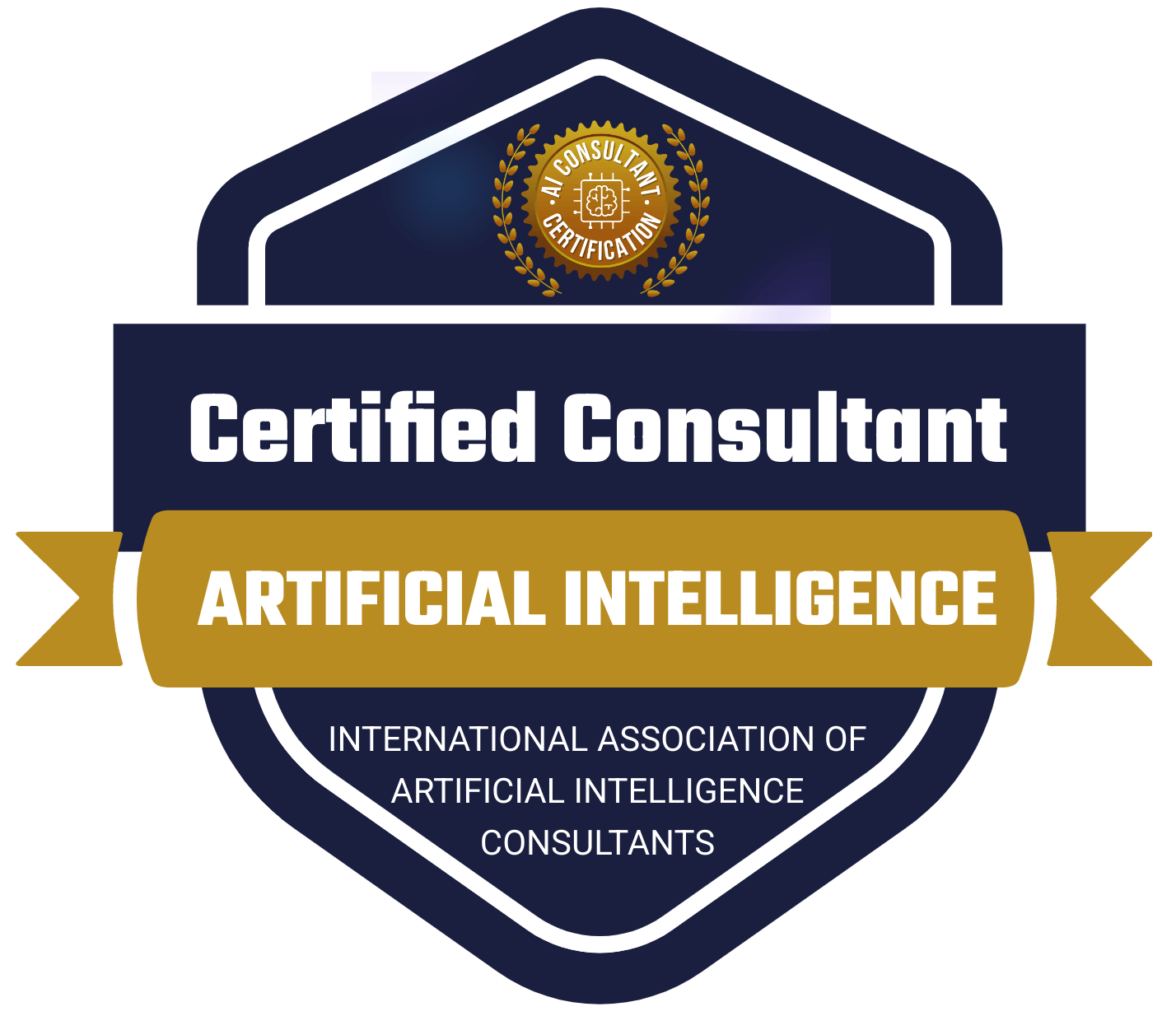
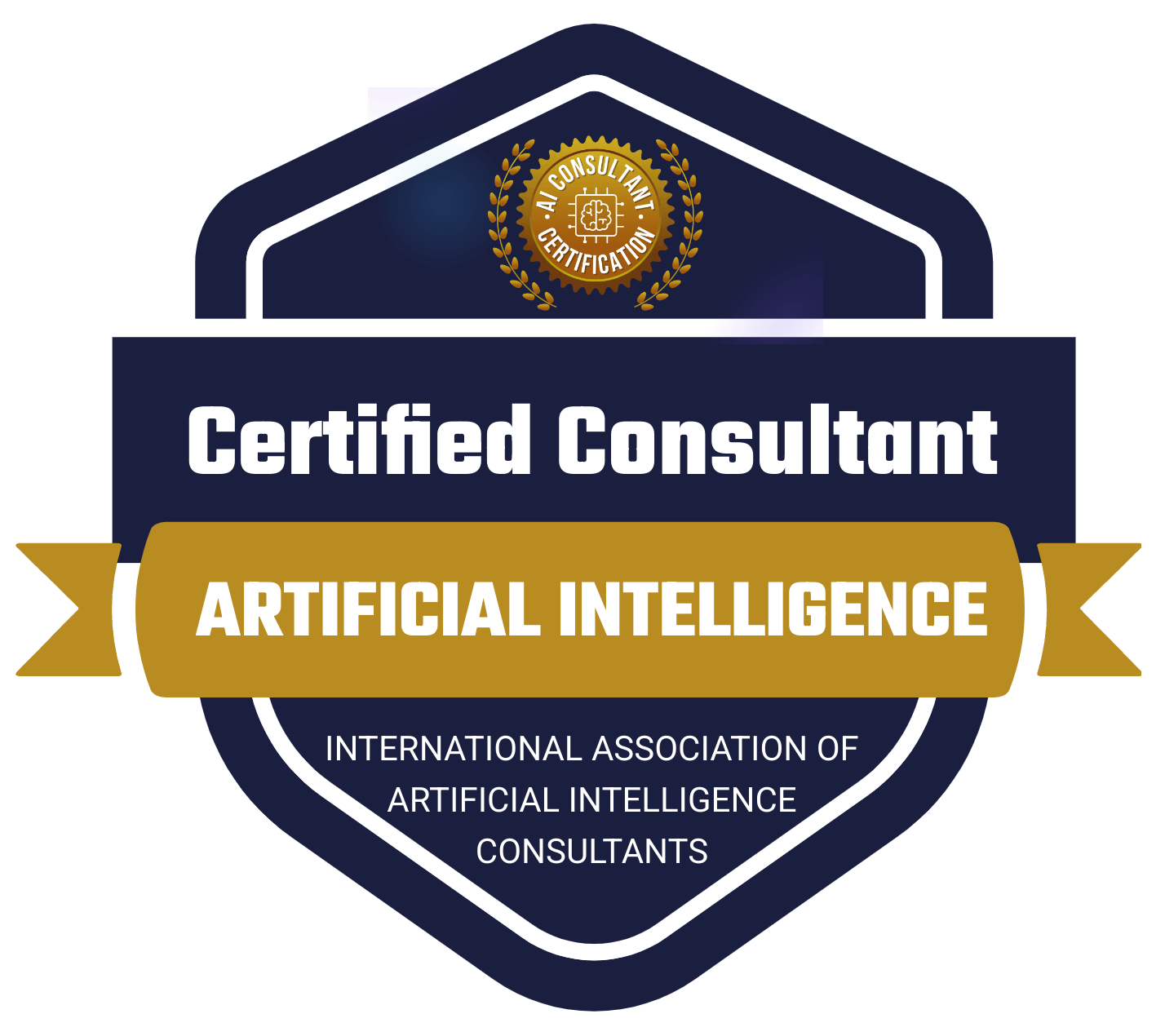
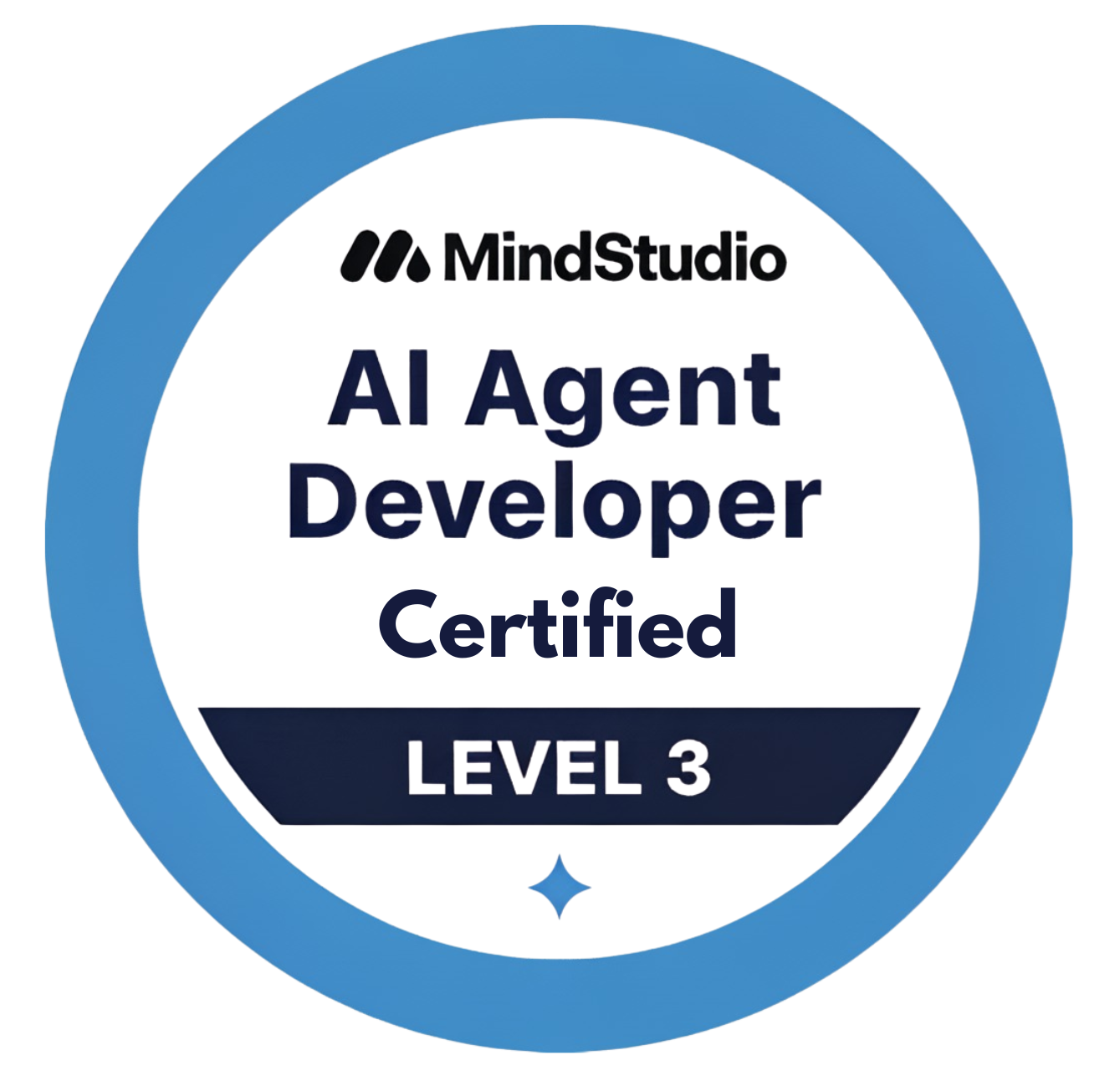
Certified AI Consultant and Level 3 MindStudio AI Agent Developer
AI Consultant and Level 3 MindStudio AI Agent Developer
AI Summit Speaker on agentic workflow builders; strong live attendance and meaningful funnel response
on agentic workflow builders; strong live attendance and meaningful funnel response
Representative builds
Point-and-Radius Business Enrichment
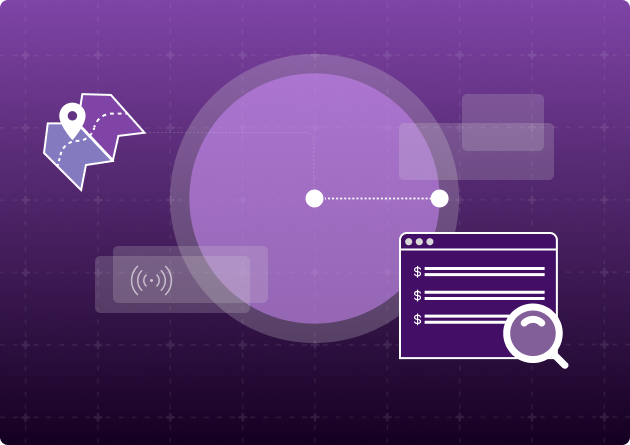
Given a point + radius, enumerates businesses and enriches them with identity, contacts, ISP availability, parcel/property cues, and web tech stack signals usable as a feeder for multiple GTM agents.
Multimodal Marketing Asset Generator
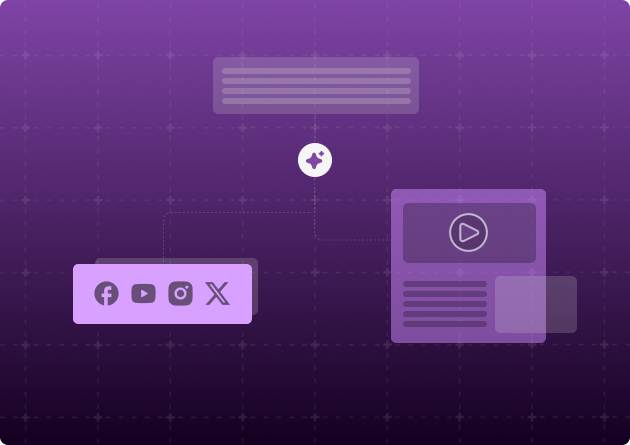
Given a simple storyline, creates a cohesive sub-one-minute marketing video, thumbnail, and description; generates a “hand-drawn” comic strip from video frames; auto-posts to YouTube and other channels.
Most teams can demo AI. The advantage comes from choreography, repeatable steps, durable context, reliable handoffs.
Who This Is For?

Established consultants / expert firms with real delivery volume.

Funded or revenue-generating tech companies where time, throughput, and opportunity flow are measurable constraints.

Teams ready to operationalize (not just experiment with tools).
You’ll know it’s time when:
Work is stuck in manual glue steps and inconsistent handoffs.

You’re drowning in backlogs, slipping timelines, or turning away work.

Opportunities exist but monitoring/research doesn’t scale.
FAQ's
What do you mean by an “Agentic AI Operating System”?
A set of choreographed workflows that executes a repeatable business process end-to-end. It’s designed for production: deterministic step transitions, durable context, and reliable handoffs with human checkpoints where judgment matters.
How is this different from “just using ChatGPT/Claude”?
Chat is great for thinking and drafting, but it often breaks in real workflows: context drift, inconsistent structure, and no durable handoffs. An agentic operating system captures requirements, executes structured steps, integrates with your systems, and returns outputs your team can actually use.
What kinds of workflows are a good fit?
If it’s repeatable, high-frequency, and currently held together by manual glue work, it’s usually a candidate. Typical fits mirror the two tracks above: capacity workflows (delivery, backlogs, evaluation/grading, reporting, analytics) and growth opportunity workflows (Market Signal Radar, RFP/RFI hunting + drafting, new business monitoring, and Strategic Visibility Engines).
What does an engagement look like?
We start by selecting one high-leverage workflow, define inputs/outputs and success metrics, build and test with appropriate human checkpoints, then deploy and iterate until it’s stable. After that, we expand to the next workflow.
Is this secure? What about compliance?
Security and governance are designed in: least-privilege access, scoped credentials, auditability, and clear data boundaries. Many clients also prefer running workflows inside their own accounts so access stays under their control. MindStudio provides a Trust Center and states SOC 2 Type I/II and GDPR alignment for enterprise use. MindStudio+1
Do we have to replace our existing tools?
No. Most builds sit on top of your current stack (CRM, email, docs, scheduling, knowledge sources). The goal is lower operating drag not a platform migration.
How quickly do we see results?
We aim to ship a first workflow your team actually uses quickly, then harden it and expand. Timelines depend on complexity and integrations, but the principle is consistent: prove value early, then deepen.
What do you deliver, exactly?
A working workflow (or set), the choreography behind it (steps, transitions, guardrails, handoffs), documentation/enablement, and when helpful, visibility into throughput, exceptions, and ROI.
Who owns the workflows and assets?
The intent is durable capability inside your business. You should be able to operate, maintain, and extend what we build. If any licensed components are involved, we’ll be explicit.
Why MindStudio and not n8n?
I primarily build on MindStudio because it’s an AI-first agent platform that supports user-facing experiences, multi-step agent patterns, built-in RAG, and multimodal tooling in one environment so you get fewer moving parts and a more maintainable system.
n8n is a strong integration-first automation platform, but it uses a “fair-code” licensing model (Sustainable Use License / Enterprise License), which can matter in certain commercial contexts.
In my experience, MindStudio is more than adequate for the overwhelming majority of agentic operating systems so I don’t add extra platforms unless there’s a clear, specialized reason to do so.
Will this replace people?
The goal is to amplify capacity and improve consistency not create an autopilot business. High-value workflows keep humans in the loop for approvals, exceptions, and judgment calls while the system handles the heavy lifting.
Who is this not for?
Not a fit if you want a lightweight chatbot or prompt pack, can’t provide the minimum inputs needed to automate real work, expect outcomes without process clarity, or you’re price-shopping for the lowest-cost implementation rather than buying durable capability. If you’re overloaded or missing opportunities because the work is too manual to scale and you want a system you can trust we’re in the right territory.
Ready to move beyond chat?
If you’re overloaded, we unlock capacity first. If operations are already strong, we focus on opportunity creation and growth systems.